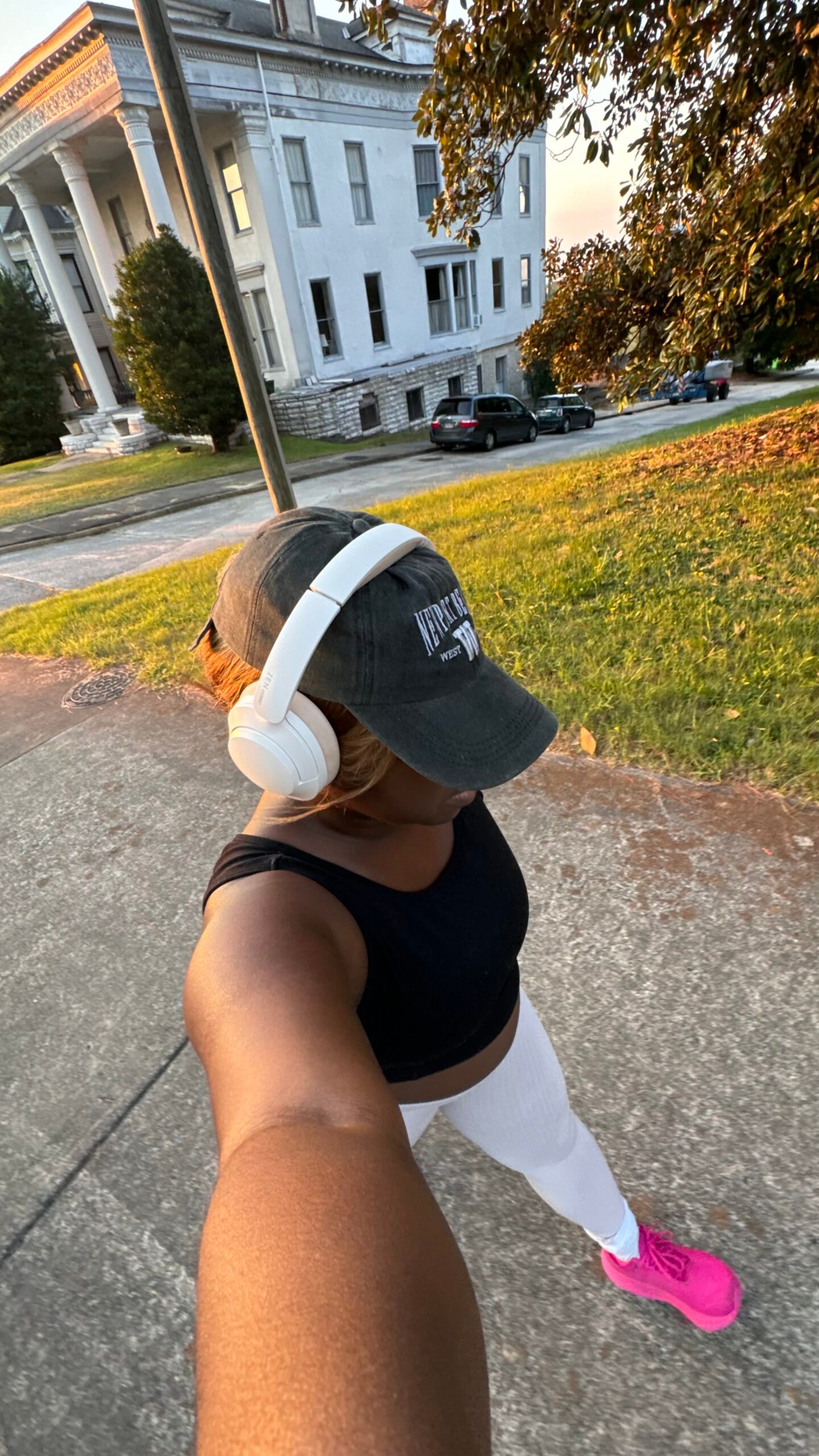
I used to force myself through ambitious morning routines even when I was completely drained.
Wake up at 6am. Go for a run. Make a smoothie. Journal. Meditate. Tackle my to-do list before 9am. It worked great until it didn’t. Until I woke up one Tuesday in February and my body felt like it had been filled with sand. The alarm sounded far away. My chest tightened the second I reached for my phone. Just the thought of my usual routine made me want to cry.
That’s when I realised I needed a completely different kind of morning routine for low energy days. Not a motivational reset. Not a productivity hack. Just a gentle way to start the day that didn’t require energy I didn’t have.
Here’s exactly what I do.
Why Your Regular Morning Routine Stops Working When You’re Depleted
Most morning routines are built for high-energy days. They assume you woke up rested, motivated, and ready to optimise your life before breakfast.
But when you’re dealing with burnout, chronic stress, poor sleep, or just going through a difficult season, those routines become one more thing you’re failing at. The problem isn’t you. It’s that you’re using a framework designed for a completely different energy level.
Research on stress and fatigue shows that when your body is depleted, willpower-heavy routines backfire. Forcing yourself to exercise when you’re exhausted, meal prep when you can barely stand, or journal when your brain is foggy just adds more stress to an already overwhelmed system. A morning routine for low energy days works not because it pushes you harder but because it removes demands and adds support instead.
The Four Things That Actually Help
I was burned out in a way that wasn’t dramatic. Not the kind where you collapse. The quiet kind where you wake up already tired and stay tired all day. My usual routine felt impossible, so I stopped trying to force it and asked myself one question: what’s the absolute minimum I need to feel okay enough to start the day?
The answer surprised me. I didn’t need a workout or a perfect breakfast or a motivational podcast. I needed four things: water, light, gentle movement, and easy food. Fifteen minutes total. Almost no energy required.
Water before anything else.
Before I check my phone, before I think about my to-do list, before I do anything else, I drink water. I keep a glass on my nightstand, room temperature because cold feels harsh first thing in the morning. I take small sips until the glass is empty.
Research on hydration and fatigue shows that even mild dehydration makes you feel more tired, foggy, and irritable. Your body loses water overnight through breathing and sweating, and drinking water first thing helps your brain and body start functioning. On a low energy morning this is something I can always do. Zero decision-making. One small, reliable action that tells my body I’m taking care of it. I start with this specifically because it’s impossible to fail at. On the days when even this feels hard, I still manage it. That matters more than it sounds.
Open the curtains.
After water, I open the curtains. I used to turn on bright overhead lights first thing and it felt harsh, like being interrogated. Window light is different. It arrives gently. Even on overcast days, natural light tells your circadian rhythm that it’s time to wake up, and research consistently shows that morning light exposure helps regulate your sleep-wake cycle, which improves energy and mood over time.
But the real reason I do this is simpler: it makes the room feel less heavy. The light changes the temperature of the space and my thoughts follow. Some mornings I just stand by the window for a minute and watch the street. Cars passing. People walking dogs. The world moving without me having to move yet. Two minutes of that does something a productivity podcast cannot.
Gentle movement, not exercise.
Only after water and light do I ask my body to move. Not a workout. Not a yoga flow. Not even “exercise.” Just small, gentle movements that help my body feel a little less stiff. Some mornings it’s two minutes of stretching: arms overhead, fold forward, twist my spine until something cracks. Some mornings it’s even simpler. Roll my shoulders. Tilt my head side to side. Stand up and sit down a few times just to remind my legs they work.
The point isn’t to get my heart rate up or accomplish anything. It’s just to inhabit my body without fighting it. Research on movement and mood shows that even two to three minutes of very light physical activity can reduce anxiety and improve energy. You don’t need a full workout to get the benefit. You just need to move a little.
Something simple to eat.
Then I eat something uncomplicated. Toast with butter and salt. Oatmeal with a drizzle of honey. A banana and a spoonful of peanut butter. Scrambled eggs if I have slightly more energy. The criteria is simple: easy to make, easy to eat, nothing that requires chopping, measuring, or decision-making.
Research on blood sugar and mood shows that eating something with protein or fat in the morning stabilises your energy and reduces irritability. Skipping breakfast or eating only sugar causes blood sugar crashes that make fatigue significantly worse by mid-morning. On low energy days I’m not trying to make the perfect meal. I’m just giving my body what it needs to not crash at 10am.
What Changed After Six Months of This
I stopped forcing ambitious routines. I stopped feeling guilty about not working out or journaling or doing all the things productive people are supposed to do before 8am.
Instead I just did the four things: water, light, gentle movement, simple food. And most days that was enough. My mornings felt manageable instead of overwhelming. I wasn’t starting the day already exhausted from trying to be someone I couldn’t be that morning.
Most surprisingly, I often had more usable energy by midday than I did when I was forcing myself through intense routines. When I respected my body’s capacity instead of fighting it, my nervous system stopped bracing for impact. I felt less brittle by noon.
Research on self-compassion shows that being gentle with yourself rather than harsh and demanding actually improves motivation over time. When you stop beating yourself up for not doing enough, you paradoxically end up doing more. This isn’t soft advice. It’s what the data says.
When Even This Feels Like Too Much
Some days even this simple routine feels like too much. On those days, I give myself permission to do less.
Just water and light. Or just water. Or I stay in bed an extra 20 minutes and that’s okay too.
The framework isn’t rigid. It’s a handrail, not a rule. It’s there when I need it and I can adjust it based on what I actually have capacity for that day. The goal isn’t to complete four steps perfectly. It’s to have something to come back to that doesn’t require you to be a different version of yourself first.
If this level of depletion is becoming your baseline rather than an occasional bad week, it’s worth looking at what’s underneath it. The Steady State Method covers the four practices that address chronic burnout at the structural level, not just the morning. And if low energy is tangled up with low-grade financial stress, the Weekly Money Check-In is the same low-lift approach applied to your finances.